
Right Plan for Your Business
- 2 Years
- Unlimited documents signed
- Organization or Individual
- Appointment of Auditor
- Issuance of share certificate
- INC 20 A form filing
- DIR 3 KYC (For 2 directors)
- Accounting & Bookeeping(Upto 100 transactions)
- Financial statement preparation
- Accounting software (1-year license)
- AOC 4, MGT 7 & ADT 1 filing
- Annual filing(Upto turnover of 20 lakhs)
- Facilitation of Annual General Meeting
- Statutory regulations
- PF, ESI
- One Year Income Tax filing(Up to turnover of 20 lakhs)
:
🔐 Digital Signature Certificates (DSC) – An Overview
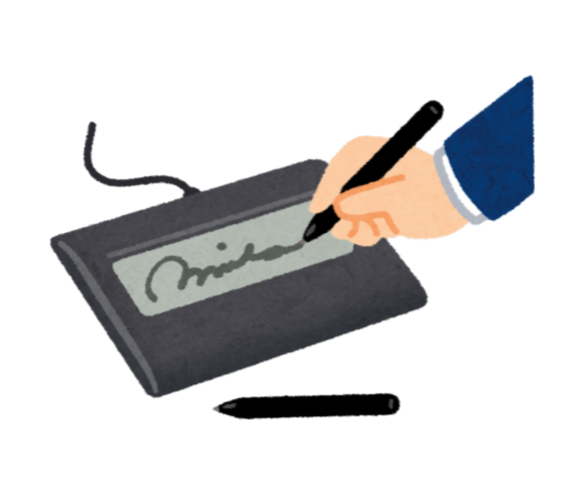
A Digital Signature Certificate (DSC) serves as the electronic equivalent of a physical signature, providing secure authentication of identity in online transactions and document signing. Recognized under the Information Technology Act, 2000, DSCs are legally valid and are widely used by individuals, businesses, and organizations to ensure the security, authenticity, and integrity of digital communications.
DSCs are issued by Certifying Authorities (CAs), licensed under the Controller of Certifying Authorities (CCA), Government of India. Each DSC contains key details such as the holder’s name, public key, PIN code, email address, and certificate validity period.
What is a Digital Signature Certificate (DSC)?
A Digital Signature Certificate (DSC) is a secure digital key that acts as an online equivalent of a handwritten signature or physical ID proof. It is used to sign electronic documents, verify identity, and ensure data security during online transactions.
Issued by licensed Certifying Authorities (CAs), a DSC uses encryption technology to protect your digital signature and personal information from tampering or misuse, ensuring authenticity and legal validity in digital communications.

Why Are Digital Signature Certificates (DSCs) Important Today?
In today’s digital era, Digital Signature Certificates (DSCs) are essential for ensuring secure, efficient, and trustworthy online interactions. They make electronic processes faster, safer, and legally valid across various platforms.
Key Reasons Why DSCs Matter
Enhanced Security:
DSCs use advanced encryption technology to protect documents and transactions from tampering, ensuring data integrity and confidentiality.Legal Validity:
Recognized under the Information Technology Act, 2000, DSCs hold the same legal status as handwritten signatures for contracts, e-filings, and official communications.Time and Cost Efficiency:
By enabling electronic signing, DSCs eliminate the need for physical paperwork—saving time, money, and reducing environmental impact.Trust and Authenticity:
A DSC verifies the signer’s identity, ensuring that the person or entity signing the document is genuine and authorized.Transparent Record-Keeping:
Every digital signature creates a verifiable record of the signer’s identity and the time of signing, enhancing accountability and traceability.

Benefits of Digital Signature Certificates (DSC) in India
Digital Signature Certificates (DSCs) offer numerous advantages across businesses, individuals, and government sectors in India. They enhance security, streamline digital processes, and ensure legal validity—making them an essential tool in today’s digital-first economy.
1. Advantages for Businesses
A Digital Signature Certificate (DSC) plays a vital role in helping businesses conduct secure and efficient online transactions. It not only ensures authenticity and integrity but also reduces operational delays and costs.
Streamlined Processes:
DSCs enable electronic signing of documents, eliminating physical paperwork. This leads to faster approvals, reduced turnaround time, and improved workflow efficiency.Enhanced Security:
Digital signatures ensure documents remain tamper-proof and secure, minimizing the risk of forgery or unauthorized access during transactions.Cost Savings:
By going paperless, businesses save on printing, courier, and document storage expenses, contributing to long-term cost efficiency.Legal Compliance:
DSCs are legally recognized under the Information Technology Act, 2000, and are valid for signing contracts, tax filings, and regulatory submissions.Workflow Automation:
DSCs integrate seamlessly with document management systems, CRMs, and e-contract tools—helping businesses automate approvals and improve productivity.
2. Advantages for Individuals
For individuals, Digital Signature Certificates simplify and secure various online tasks—ranging from filing taxes to signing personal agreements.
Ease of Online Transactions:
Individuals can securely complete activities like applying for loans, e-filing taxes, or signing documents from anywhere, anytime.Legal Recognition:
Since DSCs are legally binding, they can be used for official filings, personal agreements, and other validated online interactions.Time Savings:
Digital signing removes the need to print, sign, and scan paperwork—saving time and supporting a fully digital workflow.
3. Advantages for Government Transactions
Digital Signature Certificates are a cornerstone of India’s e-governance initiatives, promoting efficiency, transparency, and accountability in public services.
E-Governance Applications:
DSCs are used across government portals for tasks like e-tendering, GST filing, company registration, and digital form submissions.Reduced Paperwork:
Moving to digital documentation helps reduce paper consumption, lowers costs, and supports sustainable governance.Improved Data Security:
DSCs ensure the authenticity and integrity of official documents, protecting sensitive information from fraud or tampering.Faster Approvals:
Digital signing allows instant authentication and approvals, reducing delays caused by manual verification.Legal Compliance:
DSCs comply with India’s IT Act, giving full legal validity to electronically signed government documents.
Types of Digital Signature Certificates (DSC)
These different DSC types ensure security and authenticity across a range of government and business applications, helping individuals and organizations stay compliant with India’s legal frameworks for digital transactions.
Class 1 DSC
General Use Cases: Class 1 Digital Signature Certificates are issued for both business professionals and private individuals. These certificates confirm that the subscriber’s information in the application does not conflict with data in recognized consumer databases. Class 1 DSCs are suitable for securing basic personal digital interactions, such as email authentication and low-risk transactions.
Class 2 DSC
Uses for Business Personnel: Class 2 DSCs are mainly used by business professionals for filing documents with government bodies such as the Registrar of Companies (ROC), Income Tax Return (ITR) filings, and MCA forms. In this class, the identity of the individual is verified against a trusted, pre-verified database, ensuring a moderate level of security. Applications include filing tax returns, company incorporation, and audit reports.
Class 3 DSC
High-Value Transaction Applications: Class 3 DSCs offer the highest level of security and are used for high-value transactions. To obtain a Class 3 DSC, individuals must present themselves before a Registration Authority (RA) to verify their identity in person. These certificates are commonly used for e-tendering, e-bidding, e-procurement, and compliance with ROC, GST, IEC registration, and other sensitive online processes that require robust security.
Different Classes of DSC and Their Uses
Digital Signature Certificates (DSCs) come in three classes: Class 1, Class 2, and Class 3. Each class offers different levels of security and verification, suitable for various applications.
| Class | Verification Method | Security Level | Common Applications and Scenarios |
|---|---|---|---|
| Class 1 | Verified against basic consumer databases | Verified against trusted, pre-verified databases | Requires in-person identity verification with Registration Authority (RA) |
| Class 2 | Basic Security | Medium Security | High Security |
| Class 3 | Personal use, email validation, low-value transactions, signing PDFs, basic document signing | Organizational use, e-filing, company registration, business operations, tax filing, audit reports | E-tendering, e-procurement, high-value transactions, GST filings, physical verification |
Who Is Eligible for DSC Registration in India?
Digital Signature Certificates (DSCs) can be issued to individuals, organizations, and even foreign applicants. The eligibility depends on the intended use—whether for personal, professional, or government-related purposes.
1. Eligibility Criteria for Individuals
Eligibility:
Any individual can apply for a DSC for personal use or to fulfill legal and regulatory requirements. It is particularly useful for professionals such as doctors, lawyers, chartered accountants, and company directors, who often need to sign and submit documents electronically.
Common Use Cases:
E-verification of income tax returns (ITR)
Digital signing of personal and professional documents
Filing government forms and online applications
2. Eligibility Criteria for Organizations
Eligibility:
Organizations—including private or public limited companies, LLPs, partnership firms, NGOs, and proprietorships—can obtain DSCs. Typically, directors, managers, company secretaries, and authorized signatories are required to have DSCs for performing digital transactions or compliance filings on behalf of the organization.
Common Use Cases:
E-filing of ITR and ROC forms
Regulatory compliance with SEBI and MCA
Participation in e-tendering or e-procurement processes
3. Eligibility Criteria for Foreign Applicants
Eligibility:
Foreign nationals and foreign entities operating or conducting business in India are also eligible to apply for DSCs. They must provide additional verification documents, such as passport copies, visa details, and proof of residence, to establish identity and authenticity.
Common Use Cases:
Conducting business transactions in India
Submitting compliance filings under Indian jurisdiction
Who Requires a DSC?
Digital Signature Certificates are essential for a wide range of users across sectors:
Company Directors, Managers, and Secretaries:
Required for signing e-forms and regulatory filings for private and public companies.Authorized Signatories:
Needed for validating and submitting official business or legal documents online.Regulatory Authorities and Professionals:
Used by compliance officers, auditors, and professionals dealing with tax, corporate, and legal filings.

Documents Required for Digital Signature Registration
When applying for a Digital Signature Certificate (DSC), applicants must submit specific documents for identity and address verification. The list of required documents may vary depending on whether the applicant is an individual, organization, or foreign entity.
Ensuring that these documents are ready and accurate helps streamline the DSC registration process and prevents unnecessary delays.
1. Identity Proof (Government-Issued ID)
Applicants must provide any one of the following valid government-issued identification documents:
Aadhaar Card (eKYC service)
Passport
PAN Card
Driving Licence
Post Office ID Card
Photo ID Card issued by the Ministry of Home Affairs or any Centre/State Government authority
Bank Passbook containing the applicant’s photograph, duly signed and attested by a bank official
2. Address Proof
For address verification, any one of the following documents can be submitted:
Aadhaar Card
Voter ID Card
Driving Licence
Vehicle Registration Certificate (RC)
Telephone Bill (not older than 3 months)
Water Bill (not older than 3 months)
Bank Account Passbook or Statement (recent copy)
3. Passport-Sized Photograph
A recent passport-sized photograph of the applicant is mandatory for identity verification and record maintenance.
Note:
For organizations and foreign entities, additional documents such as business registration certificates, authorization letters, and passport or visa copies (for foreign nationals) may be required.
By keeping these documents ready and up to date, applicants can ensure a quick, error-free DSC registration process for individuals, businesses, or international applicants alike.
Documents Required for Private Limited Company Registration
Registering a Private Limited Company in India requires submitting specific documents to verify the identity, address, and authority of directors and shareholders. These requirements are mandated by the Ministry of Corporate Affairs (MCA) under the Companies Act, 2013.
Below is a detailed list of the documents needed for different applicant categories.
1. Documents Required from Indian Nationals
Identity Proof (Any One):
PAN Card (mandatory)
Passport
Aadhaar Card
Voter ID
Driving Licence
Address Proof (Any One):
Recent Utility Bill (Electricity, Water, or Gas Bill — not older than 2 months)
Bank Statement (with current address and not older than 2 months)
2. Documents Required from Foreign Nationals
Identity Proof (Mandatory):
Valid Passport
Address Proof (Any One):
Driving Licence
Bank Statement
Residence Card or any Government-Issued ID containing address details
Note: All foreign documents must be notarized or apostilled in the country of origin.
3. Documents Required from Corporate Shareholders
If a company (Indian or foreign) is a shareholder in the new Private Limited Company:
Board Resolution authorizing investment in the new company
Certificate of Incorporation of the investing company (legal proof of its registration)
4. Registered Office Proof
The company must declare its registered business address during incorporation.
Utility Bill (Electricity Bill or Property Tax Receipt — not older than 30 days)
Rent Agreement (if the premises are rented)
No Objection Certificate (NOC) from the property owner
5. Foundational Company Documents
Memorandum of Association (MoA): Defines the company’s business objectives and scope of operations.
Articles of Association (AoA): Specifies internal governance rules, management structure, and company operations.
Declaration and Consent Forms:
Form INC-9: Declaration by subscribers and directors regarding compliance.
Form DIR-2: Consent to act as a director.
6. Mandatory Digital Requirements
Digital Signature Certificate (DSC):
Required for all proposed directors to digitally sign e-forms during registration.Director Identification Number (DIN):
A unique identification number assigned to each director by the MCA.
7. Common for All Applicants
Passport-Sized Photographs:
Recent color photographs of all directors and shareholders.
✅ Summary
Having these documents prepared in advance helps ensure a smooth and error-free registration process for a Private Limited Company under Indian law. Proper documentation speeds up approval and avoids delays in verification by the MCA.
How to Apply for a Digital Signature Certificate?
Applying for a Digital Signature Certificate (DSC) in India is a straightforward process. Follow the steps below to complete the registration:
Step 1: Visit the Certifying Authority’s Website
- Go to the website of a licensed Certifying Authority (CA) in India. There are around 15 authorized CAs that issue DSCs, such as e-Mudhra, Sify, or NSDL.
- On the homepage, navigate to the DSC application section and select the appropriate class (Class 1, Class 2, or Class 3) based on your needs.
Step 2: Fill Out the Application Form
- Choose the class of DSC and its validity period (1 to 3 years).
- Enter your personal details, such as name, email ID, and contact information. If applying for a business, ensure the relevant business details are also included.
- Ensure that all information matches your official identity proof documents.
Step 3: Upload Required Documents
- Submit proof of identity and address such as your Aadhaar Card, PAN Card, or Passport. For organizations, submit the Certificate of Incorporation and an Authorization Letter.
- Upload a passport-sized photograph and complete the form by e-signing the declaration
Step 4: Make Payment
- Pay the applicable fee based on the class of DSC and its validity. Payment can be made online through net banking, debit/credit cards, or other accepted methods on the CA’s website.
Step 5: Identity Verification
- Your identity will be verified via a physical or video-based verification process, depending on the Certifying Authority’s policies. In some cases, you may need to present yourself before the Registration Authority (RA) for Class 3 DSC.
Step 6: Issuance of DSC
- Once the verification is complete, the Certifying Authority will issue your Digital Signature Certificate. You will receive the DSC either as a file for download or on a USB token (also called a USB e-token) for installation.
Step 7: Download and Install DSC
- Download your DSC from the CA’s website. If your DSC is on a USB token, install the required drivers and follow the installation instructions.
- Ensure the USB token is securely stored and accessible for future use.
DSC Registration Fees
| Class of DSC | Usage | Cost (₹) | Validity Period | Additional Costs |
|---|---|---|---|---|
| Class 1 DSC | Personal use, email validation, low-risk transactions | ₹500 to ₹1,500 | 1 year |
USB Token: ₹500 to ₹1,000 GST: 18% additional |
| Class 2 DSC | Business use, e-filing, company registration, income tax return filing | ₹1,000 to ₹2,000 | 1 to 2 years |
USB Token: ₹500 to ₹1,000 Notarization/Attestation: May apply GST: 18% |
| Class 3 DSC | High-security transactions like e-tendering, e-procurement, high-value transactions | ₹1,350 to ₹3,000 | 1 to 3 years |
USB Token: ₹500 to ₹1,000 Video Verification Fees: May apply GST: May apply |
Digital Signature Certificate Verification
By verifying the DSC, individuals and organizations can ensure the authenticity of digital documents, protect sensitive data, and comply with legal regulations. This secure method of verification is essential for maintaining trust in digital transactions.
DSC Verification Process
Digital Signature Certificate (DSC) verification is a crucial process to confirm the authenticity and integrity of a digital signature. It ensures that the digital signature is secure, valid, and trustworthy. The verification process involves checking the public key of the signer, along with the issuer certificates and their Certificate Revocation Lists (CRLs), which are made available by the Certifying Authorities (CAs).
Importance of Verifying DSC
Verifying a DSC is essential for ensuring data integrity and authentication. It confirms that the digital signature was issued by a trusted authority and that the signer’s identity has been validated through public key encryption. DSC verification plays a significant role in:
- Statutory compliance for e-filing, income tax returns, and other regulatory processes.
- Securing business transactions by preventing tampering or forgery of digital documents.
- Enhancing security through encryption, ensuring that the document’s contents are protected and cannot be altered after signing.
Methods of DSC Verification
- Public Key Infrastructure (PKI): The DSC uses public key cryptography to verify the signer’s identity. The public key is matched with the private key of the signer, confirming that the document is legitimate and unchanged.
- Certificate Revocation Lists (CRLs): Certifying Authorities maintain lists of revoked certificates. During verification, the CRL is checked to ensure the signer’s certificate has not been revoked or compromised.
- Digital Certificate Authentication: This process ensures that only trusted devices and users can validate or access documents. It involves verifying the signer’s digital ID certificate status and checking the integrity of the document using issuer certificates and CRLs.
- Signature Validity Check: The system validates the digital signature by ensuring the digital certificate associated with the signature is authentic. If the certificate is invalid or expired, the signature will be marked as not valid.
Digital Signature Certificate Renewal Online
Renewing your Digital Signature Certificate (DSC) online is a quick, secure, and convenient process that ensures continued access to all digital and e-governance services. The renewal process can be easily completed by visiting the Certifying Authority’s (CA) official website, filling out the renewal form, and submitting the required documents electronically.
This method eliminates paperwork, saves time, and provides enhanced security — allowing you to renew your DSC right from your home or office.
How to Renew a DSC Online?
Renewing a Digital Signature Certificate online ensures uninterrupted use of your DSC for digital transactions, compliance filings, and secure document signing.
Here’s a step-by-step guide to renewing your DSC online:
Step 1: Select the Type of DSC
Choose the type of DSC you wish to renew — for an individual or an organization — and select the appropriate class (Class 2 or Class 3) and validity period (1, 2, or 3 years).
Step 2: Make the Payment
Pay the required renewal fee for your DSC. The payment confirms your intent to begin the renewal process.
Step 3: Documentation Fill-up
Submit the required identity and address proof documents. Ensure that the details match exactly with those in your expiring DSC.
Step 4: Mobile and Video Verification
Complete mobile and video verification as instructed. This step is mandatory for identity validation and DSC authentication.
Step 5: Buy a New USB Token
Purchase a new USB token and connect it to your computer. The renewed DSC will be stored securely on this token.
Step 6: Download and Install Renewed DSC
Once approved, download the renewed DSC to your new USB token. You can now use it for e-filing, tender submission, and other online transactions.
Time and Action Required
Within 7 days before expiry: Initiate the renewal process early to avoid disruptions.
10–20 minutes: Average time to complete online verification and download the renewed DSC.
💡 For a quick, expert-assisted DSC renewal process, you can also connect with Vakilsearch for end-to-end support.
Documents Required for DSC Renewal
To renew your Digital Signature Certificate, you’ll need to submit specific documents for identity verification and compliance. Having these documents ready ensures a faster renewal process.
1. New USB Token:
A new token must be used to store the renewed DSC.
2. Passport-Size Photograph:
A recent photograph for identification.
3. Valid ID Proof (Any one):
Aadhaar Card (eKYC Service)
PAN Card
Voter ID Card
Passport
Driving Licence
Bank Passbook (with photograph and signature, attested by bank official)
4. Mobile Number and Email ID:
Active contact details for verification.
5. Organization Proof (if applicable):
Documents like GST Certificate, Shop Act License, or MSME Registration for organization DSCs.
6. Identity Proof of Authorized Signatory:
Valid ID proof for the authorized person using the DSC.
7. Authorization Letter:
Letter authorizing the applicant to renew the DSC on behalf of the organization.
8. Cover Letter:
A brief letter stating the purpose and reason for DSC renewal.
DSC Renewal Charges
The renewal fee depends on the class of DSC and the validity period selected. Below are the typical renewal costs in India:
Class 3 DSC Renewal Fees
| Validity Period | Renewal Charges (Approx.) | Notes |
|---|---|---|
| 1 Year | ₹1,500 | Basic renewal for 1 year |
| 2 Years | ₹2,400 (inclusive of 18% GST) | Commonly chosen option |
| 3 Years | ₹3,400 | Best long-term value |
| Other Class 3 Options | 2 Years – ₹1,416 3 Years – ₹2,655 | May vary by provider |
Renewal Fee and Variation Information
Validity & Pricing: Renewal charges increase with longer validity periods (2 or 3 years).
Class & Use-Case Variation: Class 3 DSC renewal costs may differ slightly based on the issuing authority and purpose of use.
Expert Assistance: Additional service fees may apply if you opt for professional help with DSC renewal through agencies like Vakilsearch.
✅ In Summary:
Renewing your Digital Signature Certificate on time ensures uninterrupted access to online government services, secure document signing, and legal compliance.
By following the simple online process, you can complete your renewal in minutes — efficiently, securely, and from anywhere.
Role of Certifying Authorities (CAs) in DSC Registration
A Certifying Authority (CA) is a licensed entity authorized by the Controller of Certifying Authorities (CCA) under the Information Technology Act, 2000 to issue Digital Signature Certificates (DSCs) in India.
CAs play a pivotal role in verifying the identity of applicants and binding that verified identity to a unique public key to ensure authenticity, integrity, and trust in digital communications.
Role and Responsibilities of Certifying Authorities
Certifying Authorities (CAs) are responsible for ensuring that every DSC issued is authentic, secure, and compliant with Indian cybersecurity laws. Their key roles include:
1. Verification of Identity
Before issuing a DSC, the CA verifies the applicant’s identity using official documentation or Aadhaar-based eKYC verification.
This verification ensures that the digital signature legally and securely represents the individual or organization.
2. Issuance of Digital Certificates
Once the verification process is complete, the CA issues a Digital Signature Certificate that binds the verified identity to a public key.
This allows the applicant to perform secure electronic authentication and online transactions.
3. Management of Certificates
Revocation:
The CA can revoke or suspend a DSC if it is compromised, expired, or no longer valid due to changes in the applicant’s details.Security Compliance:
All CAs must maintain high-security standards as per CCA guidelines. They use advanced cryptographic systems and secure infrastructure to prevent misuse or unauthorized access.Certificate Renewal & Updates:
CAs facilitate renewal and revalidation of DSCs, ensuring continued usability for e-filing, e-tendering, and other digital operations.
4. Applicant Support and Assistance
CAs provide end-to-end support to DSC applicants — from document submission and verification to hardware token issuance.
They also assist users in downloading, installing, and using the DSC securely on digital platforms.
Empanelled Certifying Authorities in India
The following are some of the recognized and licensed Certifying Authorities authorized to issue DSCs in India:
eMudhra Limited
Capricorn Identity Services Private Limited
Safescrypt (Sify Technologies Limited)
Protean eGov Technologies Limited (formerly NSDL e-Governance)
(n)Code Solutions – GNFC Ltd.
Centre for Development of Advanced Computing (CDAC)
Vsign (Verasys Technologies Pvt. Ltd.)
XtraTrust DigiSign Private Limited
✅ In Summary
Certifying Authorities act as trusted third parties in India’s digital ecosystem.
They not only issue and manage DSCs but also ensure compliance with legal and security frameworks, helping individuals and organizations carry out safe, authenticated, and legally valid digital transactions.
Role of Certifying Authorities (CAs) in DSC Registration
A Certifying Authority (CA) is a licensed organization authorized by the Controller of Certifying Authorities (CCA) under the Information Technology Act, 2000, to issue Digital Signature Certificates (DSCs) in India.
CAs play a vital role in verifying the identity of applicants and securely linking that identity to a unique public key, ensuring authenticity and integrity in all electronic transactions.
Role and Responsibilities of Certifying Authorities
1. Verification of Identity
Before issuing a DSC, the CA carefully verifies the applicant’s identity using documentary proof or Aadhaar-based eKYC verification.
This ensures that the digital signature genuinely represents the individual or organization applying for it.
2. Issuance of Certificates
Once verification is complete, the CA issues a Digital Signature Certificate that binds the verified identity to a unique public key.
This allows the certificate holder to perform secure electronic authentication and legally recognized digital transactions.
3. Management of Certificates
Revocation: CAs can revoke or suspend DSCs if they are compromised, misused, or no longer valid.
Security Compliance: CAs maintain high-level cryptographic security and infrastructure standards to ensure trustworthiness.
User Support: CAs assist applicants during registration — from submitting documents to obtaining secure USB tokens or hardware cryptographic devices for safe storage.
Empanelled Certifying Authorities in India
The following are the officially recognized and licensed Certifying Authorities in India, authorized to issue and manage Digital Signature Certificates:
eMudhra Limited
Capricorn Identity Services Private Limited
Safescrypt (Sify Technologies Limited)
Protean eGov Technologies Limited (formerly NSDL e-Governance)
(n)Code Solutions (GNFC Limited)
CDAC (Centre for Development of Advanced Computing)
Vsign (Verasys Technologies Pvt. Ltd.)
XtraTrust DigiSign Private Limited
✅ Summary
Certifying Authorities act as trusted digital entities responsible for verifying, issuing, and maintaining the integrity of DSCs.
Their role ensures that all digitally signed documents and transactions in India are secure, authentic, and legally compliant under the IT Act, 2000.
Applications of Digital Signature Certificates (DSCs) in Various Sectors
Digital Signature Certificates (DSCs) play a vital role in enabling secure, authenticated, and legally compliant online transactions. They ensure data integrity, identity verification, and digital trust across a wide range of industries.
Below are some key areas where DSCs are extensively used:
1. E-Filing of Taxes
DSCs are mandatory for filing Income Tax Returns (ITR), GST filings, and other statutory documents online.
They allow individuals, companies, and professionals to authenticate filings electronically, eliminating paperwork.
This ensures compliance with government norms and enhances data security in financial submissions.
2. Electronic Fund Transfers and Account Management
Banks and financial institutions use DSCs for secure electronic fund transfers, account opening, and customer agreements.
DSCs help verify user identity, maintain audit trails, and prevent fraud.
This enhances the security and transparency of all digital financial transactions.
3. Loan Applications and Digital Contracts
In online loan processing, DSCs authenticate borrowers’ and lenders’ identities, ensuring legal validity of agreements.
They help financial institutions execute digital contracts securely, maintaining confidentiality of sensitive information.
This creates a paperless, efficient, and legally binding workflow for all involved parties.
4. E-Tendering Processes
Government and private organizations use DSCs in e-tendering to authenticate bidders and uploaded documents.
They ensure that bids are genuine, tamper-proof, and verifiable.
This increases transparency and trust in public procurement systems.
5. E-Procurement and E-Auctions
DSCs authenticate both buyers and sellers during e-procurement and e-auction processes.
They enable secure participation, document submission, and transaction verification.
This promotes fair competition and transparency in online procurement.
6. E-Prescriptions and Medical Records
In the healthcare sector, DSCs ensure that e-prescriptions and electronic medical records (EMRs) are authentic and confidential.
Doctors and medical staff use DSCs to digitally sign patient reports and prescriptions, ensuring they are tamper-proof.
This supports data privacy and enables secure sharing of patient information.
7. Insurance Claims and Benefits
DSCs authenticate insurance claim forms, policy documents, and approvals.
They prevent unauthorized access to personal data and speed up claim processing.
Insurance companies benefit from improved accuracy, security, and compliance in their digital workflows.
8. E-Filing of Regulatory Documents
Government departments and corporate entities use DSCs to file official and regulatory documents electronically.
DSCs ensure that such filings are authentic, traceable, and compliant with the IT Act and other statutory frameworks.
9. Legal Contracts and Agreements
Law firms and clients use DSCs for executing digital contracts and legal documents securely.
DSCs provide an audit trail for verification, ensuring every signature is authentic.
This makes contracts legally enforceable under the Indian IT Act, 2000.
10. E-Commerce and Online Trade
DSCs secure e-tendering, e-procurement, and e-auction activities in e-commerce.
They validate the authenticity of buyers, sellers, and digital transactions, promoting trust in online marketplaces.
11. EPF Access and Online Transactions
DSCs are used for Employees’ Provident Fund (EPF) account access, withdrawals, and other online requests.
They help prevent unauthorized account usage and ensure secure handling of employee funds.
12. Digital HR and Onboarding Processes
In Human Resource Management, DSCs simplify digital onboarding, employment contracts, and employee verification.
They ensure that HR processes are paperless, efficient, and legally valid, while protecting sensitive employee data.
✅ Conclusion
Digital Signature Certificates are indispensable in today’s digital governance and corporate ecosystem.
They enhance security, efficiency, and legal validity across industries — from finance and healthcare to government and law — making them an essential element of India’s digital transformation journey.
Legal Framework Governing DSCs
Legal Framework Governing Digital Signature Certificates (DSCs)
Digital Signature Certificates (DSCs) in India operate under a well-defined legal and regulatory framework that ensures their authenticity, legality, and security. This framework establishes the foundation for secure electronic authentication, promoting trust in digital transactions across both public and private sectors.
The legal infrastructure primarily stems from the Information Technology Act, 2000 (IT Act) and is supported by the Digital Signatures and Electronic Authentication Law (SEAL).
1. Legal Recognition of Digital Signatures
The Information Technology Act, 2000 — widely known as the IT Act — is the primary legislation governing digital transactions, cyber activities, and electronic records in India.
The Act grants legal validity to digital signatures, recognising them as equivalent to handwritten signatures for electronic documents.
It ensures that digitally signed documents are authentic, secure, and admissible as evidence in judicial and legal proceedings.
The framework allows individuals and businesses to submit digitally signed electronic records to government authorities, regulatory bodies, and corporate entities with full legal recognition.
This legal recognition has enabled India’s shift toward paperless governance and e-compliance systems.
2. Regulation of Certifying Authorities (CAs)
The IT Act also governs the licensing and regulation of Certifying Authorities (CAs) — entities authorised to issue Digital Signature Certificates.
CAs must adhere to stringent security standards and verification procedures before issuing DSCs.
They are responsible for verifying the authenticity of applicants through reliable identification methods such as Aadhaar eKYC.
The Controller of Certifying Authorities (CCA) supervises all licensed CAs to ensure compliance and infrastructure security.
This regulatory oversight enhances trust, accountability, and integrity in the issuance and management of digital signatures across critical sectors such as finance, healthcare, and government services.
3. Cybercrime and Data Security Provisions
Beyond authentication, the IT Act addresses broader issues of cybersecurity, data protection, and electronic governance.
It prescribes penalties for hacking, data breaches, and unauthorised access or alteration of digital signatures.
The Act establishes robust measures to ensure that digital transactions remain tamper-proof and traceable.
These provisions encourage the safe and lawful use of digital signatures in industries that handle sensitive data, including banking, insurance, and public administration.
Through these cybersecurity mandates, the IT Act fosters a secure digital ecosystem that promotes confidence in e-governance and online business operations.
4. Regulations and Standards for Electronic Authentication (SEAL)
The Digital Signatures and Electronic Authentication Law (SEAL) further strengthens the legal framework for electronic verification and signature usage.
SEAL provides guidelines for the standardisation and security of electronic authentication methods.
It promotes the adoption of digital signatures in critical sectors such as banking, finance, and government operations.
The law specifies standards related to data integrity, encryption, and non-repudiation, ensuring that digitally signed transactions are both secure and legally enforceable.
By defining clear technical and legal requirements, SEAL plays a crucial role in expanding digital trust and interoperability across industries.
5. Amendments Affecting Banking and Financial Authorities
Under SEAL and subsequent regulations, amendments have been introduced to existing banking and financial legislation — such as the Bank Protection Act of 1968 — to accommodate digital signature usage.
Financial institutions are now legally authorised to use electronic signatures for secure online transactions.
This allows banks to digitally authenticate loan applications, fund transfers, and customer agreements without the need for physical paperwork.
These updates have streamlined financial operations, enabling faster, more secure, and fully compliant digital workflows.
✅ Conclusion
The legal framework governing DSCs in India — anchored in the IT Act, SEAL, and supporting regulations — ensures that digital signatures are legally valid, technologically secure, and widely applicable.
By providing clear rules for certification, authentication, and enforcement, these laws have paved the way for India’s digital transformation, promoting paperless governance, secure online transactions, and global e-commerce compatibility.
Digital Signatures Certificates, or DSCs, are controlled within an infrastructure as defined by the law that standardised its usage for a secured and authentic digital signature in any form. This law is based on constitutive laws and measures of the arena, mainly in India, through the IT Act of 2000 and the Digital Signatures and Electronic Authentication Law, or SEAL.
Legal Recognition of Digital Signature
The Information Technology Act, 2000 is more commonly known as the IT Act. It is India’s base act that governs cyber activities, electronic records, and digital signatures. The Act provides for the recognition of the digital signature by which digital signatures may be used on different types of documents as a valid form of electronic authentication of any digital document. Under such a framework, DSC ensures that the electronic documents submitted to government and corporate bodies are authentic, secure, and sound, hence making electronic records admissible as evidence in judicial proceedings.
Regulation of Certifying Authorities
The Information Technology Act regulates the licensing of CAs, which are expected to meet extreme security standards. The CAs are mandated to confirm the veracity of the applicant’s identity and to furnish sufficient evidence regarding such compliance, besides ensuring that the digital infrastructure pertinent to the required service is secure. This regulation lends credence to the use of DSC in departments like finance, healthcare, and government services.
Cybercrime and Data Security Provisions
The IT Act also covers cybercrime, data protection, and electronic governance in addition to providing a framework for digital signatures. As the IT Act prescribes penalties for unauthorised access and tampering of digital signatures, it establishes strict cybersecurity standards that encourage and ensure secure and authenticated digital transactions in any industry.
Regulations and Standards for Electronic Authentication
This law is known as the SEAL, which provides a legal framework supporting the use of digital signatures and electronic authentication. Generally, SEAL promotes digital signature usage in most cases, especially in banks and financial houses. The law gives clear legal guidelines on the application of digital signatures in business transactions. Moreover, the law puts forward standards on the side of electronic security, integrity, and legality. This law greatly promotes the adoption of digital signatures because it provides an active regulatory framework that makes its applicability spread across different sectors.
Amending Laws Regarding Banking and Financial Authorities
The SEAL Act, modifies some banking acts such as the Bank Protection Act of 1968, which authorises financial institutions to employ electronic signatures within their operations. In this respect, they can safely transmit transaction deeds or loan application transfers amongst other financial agreements through electronic verification. Thus the banks are authorised to legally authenticate, on their own, business transactions electronically without paperwork and paper handling of files.
Digital Transformation and the Future of Digital Signature Certificates (DSCs)
As digital transformation accelerates across industries, Digital Signature Certificates (DSCs) are evolving to meet new demands for enhanced security, convenience, and interoperability. The future of DSCs lies in the convergence of emerging technologies such as AI, blockchain, biometrics, and cloud computing, which will redefine how digital authentication and e-governance function worldwide.
Below are the key emerging trends, upcoming technologies, and future predictions shaping the next generation of DSCs.
Emerging Trends
1. Biometric Integration
One of the most significant trends in digital signing technology is the integration of biometric authentication — including facial recognition, fingerprint scans, and voice identification.
By combining DSCs with biometrics, organisations can verify the authentic identity of signers in real-time, ensuring a higher level of security and eliminating risks of impersonation or identity theft. This fusion enhances both trust and efficiency in digital transactions.
2. AI and Machine Learning for Enhanced Security
Artificial Intelligence (AI) and Machine Learning (ML) are playing an increasingly crucial role in improving DSC security.
These technologies enable:
Real-time fraud detection through behavioural analysis
Automated threat identification based on usage patterns
Adaptive authentication systems that evolve with user behaviour
AI-driven DSC systems will reduce manual verification errors and provide faster, smarter, and more secure signing experiences.
3. Blockchain and Decentralised Verification
The introduction of blockchain technology into DSC frameworks marks a new era of transparency and trust.
Blockchain’s immutable ledger allows every signing event to be recorded and timestamped, providing:
Verified, tamper-proof audit trails
Decentralised identity management
Secure, cross-platform interoperability
This will significantly reduce fraud and build a more trusted ecosystem for digital signatures.
Upcoming Technologies
1. Multi-Factor Authentication (MFA)
Future DSC systems are expected to adopt multi-factor authentication (MFA) as a standard security layer.
By combining DSCs with mobile OTPs, biometric verification, or hardware tokens, MFA ensures that only authorised users can access or sign sensitive documents.
This approach will strengthen digital identity protection, especially for financial and legal transactions.
2. Cloud Storage and SaaS Integration
With the growing adoption of cloud technologies, DSCs are transitioning toward cloud-based solutions.
Cloud-integrated DSCs will enable:
Seamless signing directly from cloud platforms like Google Drive or Microsoft 365
Real-time collaboration and sharing
Secure storage with instant access from anywhere
Businesses using Software as a Service (SaaS) tools can integrate DSCs for faster, paperless, and secure workflow automation.
Future Landscape
1. Mobile Optimisation and User-Friendly Platforms
As mobile device usage continues to rise, DSC providers are increasingly focusing on mobile-optimised signing platforms.
Future DSC solutions will feature:
Secure signing through smartphones and tablets
Simple, intuitive user interfaces
Customisable dashboards and cross-device accessibility
These advancements will make DSCs more accessible, portable, and user-centric, aligning with the modern digital lifestyle.
2. IoT Integration and Smart Contracts
The expansion of the Internet of Things (IoT) will open new possibilities for DSC applications.
In the near future, DSCs may enable:
Secure machine-to-machine authentication
Smart contract validation on blockchain networks
Real-time verification in automated supply chain systems
This will position DSCs as an integral component of the connected digital economy, ensuring trust and security in autonomous operations.
Predictions and Advancements
1. Increasing Adoption Across Sectors
The use of DSCs is expected to grow rapidly as businesses, governments, and individuals shift toward paperless ecosystems.
Key sectors driving this growth include:
Finance and Banking: For secure digital loan approvals and fund transfers
Healthcare: For patient consent and electronic records
Legal and Government Services: For verified contracts and e-filing
This widespread adoption will enhance efficiency, compliance, and trust across industries.
2. Interoperability and Standardisation
The future of DSCs will emphasise global interoperability and regulatory standardisation.
By adopting uniform digital signing protocols, users will be able to authenticate documents across multiple devices, platforms, and jurisdictions without compatibility issues.
This will not only improve user convenience but also foster international recognition of digital signatures, strengthening global digital trade.
✅ Conclusion
The evolution of Digital Signature Certificates marks a pivotal step in the world’s transition toward secure, paperless, and borderless digital ecosystems.
With innovations in AI, blockchain, biometrics, and cloud integration, DSCs are set to become even more intelligent, interoperable, and future-ready — empowering governments, enterprises, and individuals to operate safely and efficiently in the digital age.